Thinking about a move to Morgan Hill but not sure which neighborhood fits your lifestyle? You have great options, from walkable downtown streets to view-filled hillside estates and spacious ranchettes. If you understand the home types, trade-offs, and due diligence for each setting, you can buy with confidence. In this guide, you’ll learn how Morgan Hill is laid out, what to expect in each area, and smart questions to ask before you write an offer. Let’s dive in.
Morgan Hill at a glance
Morgan Hill sits at the southern edge of Silicon Valley, about 15 to 20 miles south of San Jose. The city grew from an agricultural past into a suburban community with a mix of historic homes, newer subdivisions, and rural edges. City planning documents outline this evolution and how neighborhoods fit together across the valley and foothills. You can see that broader context in the city’s overview materials and maps from the planning department.
As of January 2026, Redfin reported a citywide median sale price around $1,200,000. Individual micro-markets can be well above or below that number based on location and home type. The City’s 2023 Housing Element notes roughly 15,233 housing units in the study sample, with about 76 to 77 percent single-family homes. Most homes were built between 1960 and 1999, with the largest share from 1980 to 1999, and about 11.6 percent built in 2010 or later. You can review those figures in the City’s Housing Element for more detail.
Downtown and Depot corridor
Downtown centers on Monterey Road and the Caltrain station area. The city’s Station Area Master Plan focuses on pedestrian-friendly streets and transit access. You’ll see a mix of historic cottages and bungalows, mid-century homes, and newer infill townhomes or condos. Lots tend to be smaller, with more on-street parking and shorter walks to restaurants, parks, and events.
What you’ll find
- Home types: Historic cottages and bungalows, small-lot single-family homes, and newer townhomes or condos near the core.
- Style and era: Late 19th and early 20th century in the oldest pockets, with many mid-century and renovated homes nearby.
- Lot features: Smaller yards, limited garage space in some homes, and strong walkability to local amenities.
Buyer benefits and trade-offs
- Benefits: Walk-to-dinner convenience, lower yard work, and access to the station area.
- Trade-offs: Some older systems to update, smaller storage or garages, and more street activity and noise.
Smart checks
- Review the Station Area Plan for sidewalk, bike, and parking details.
- For older homes, look for foundation, plumbing, and electrical upgrades.
- Confirm local parking rules, setbacks, and feasibility if you plan to add a second unit.
Helpful resource: Station Area Master Plan
Newer subdivisions and planned communities
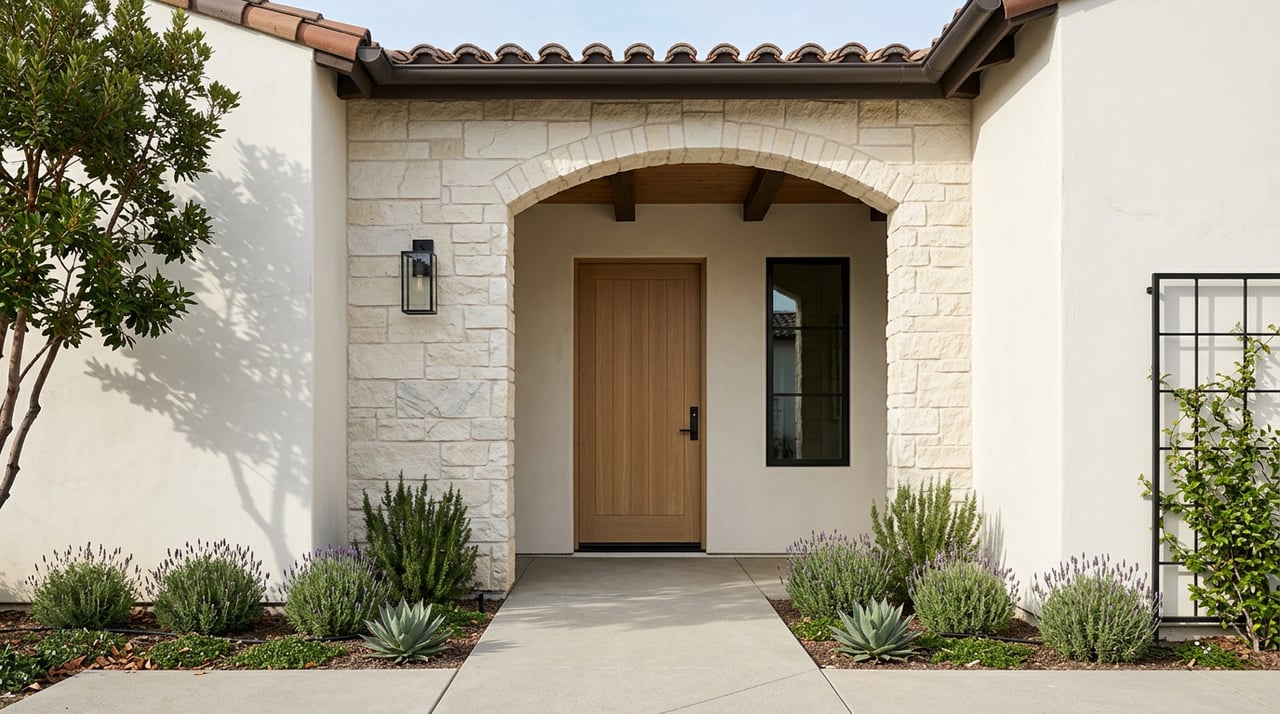
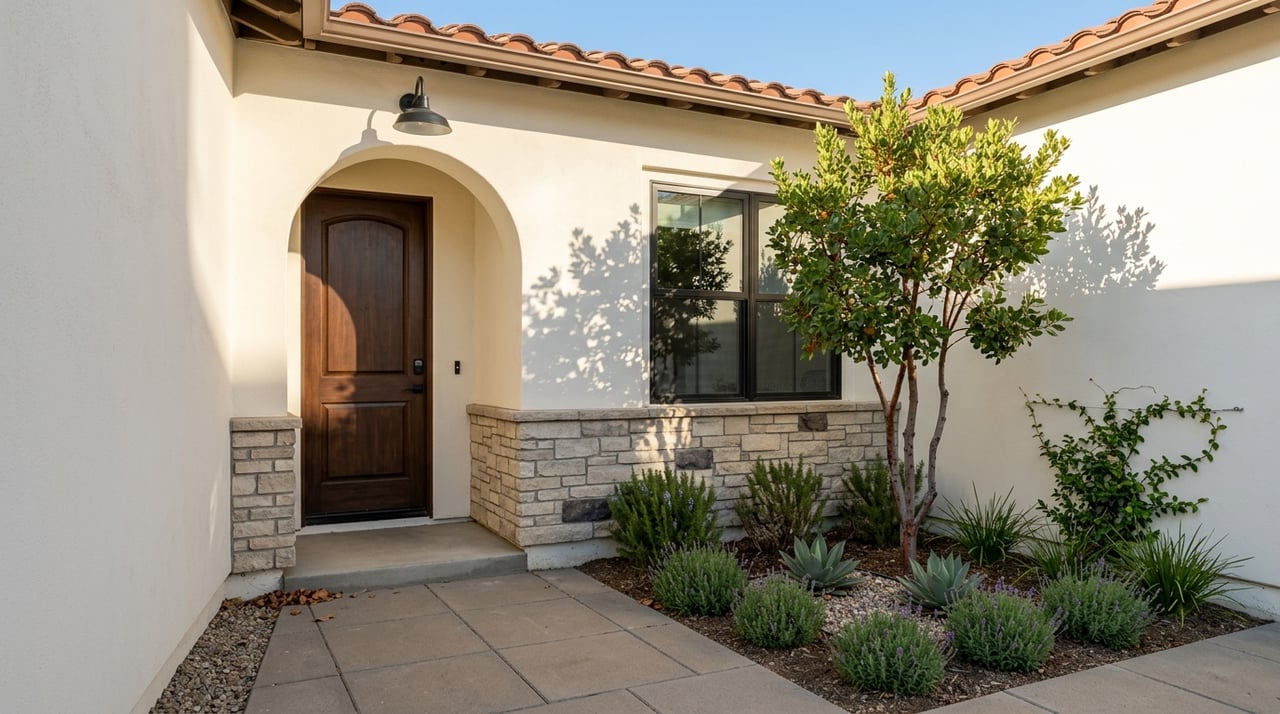
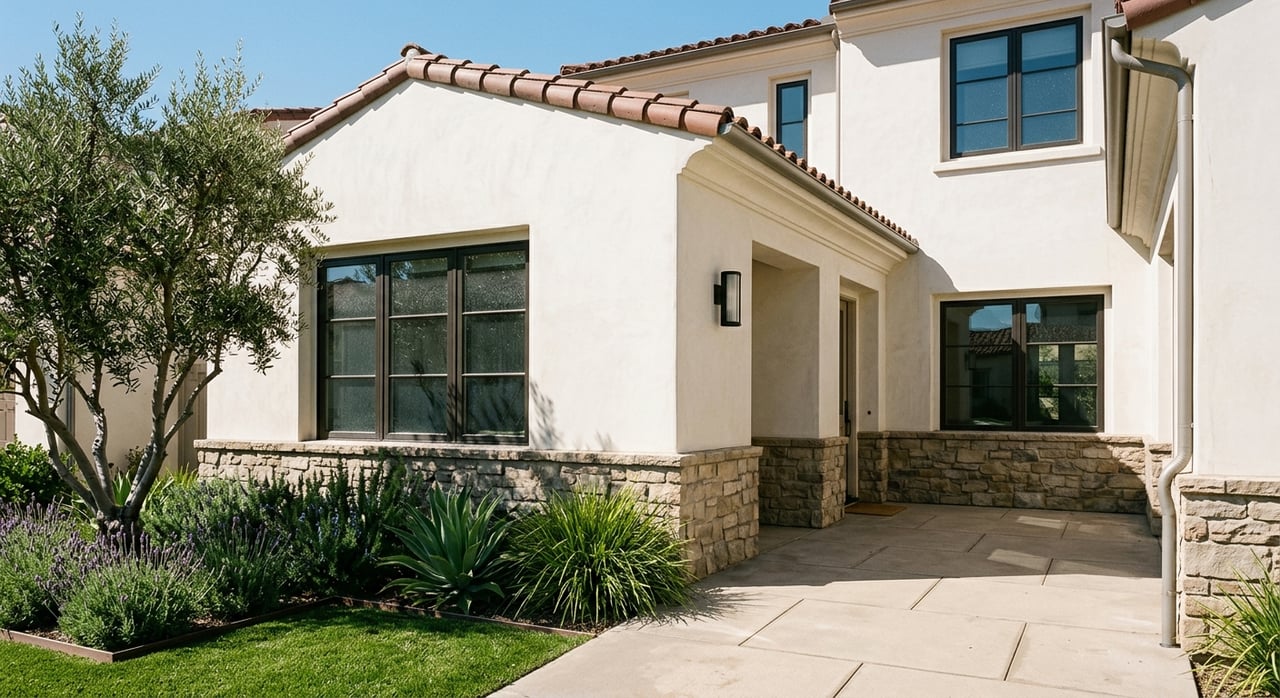
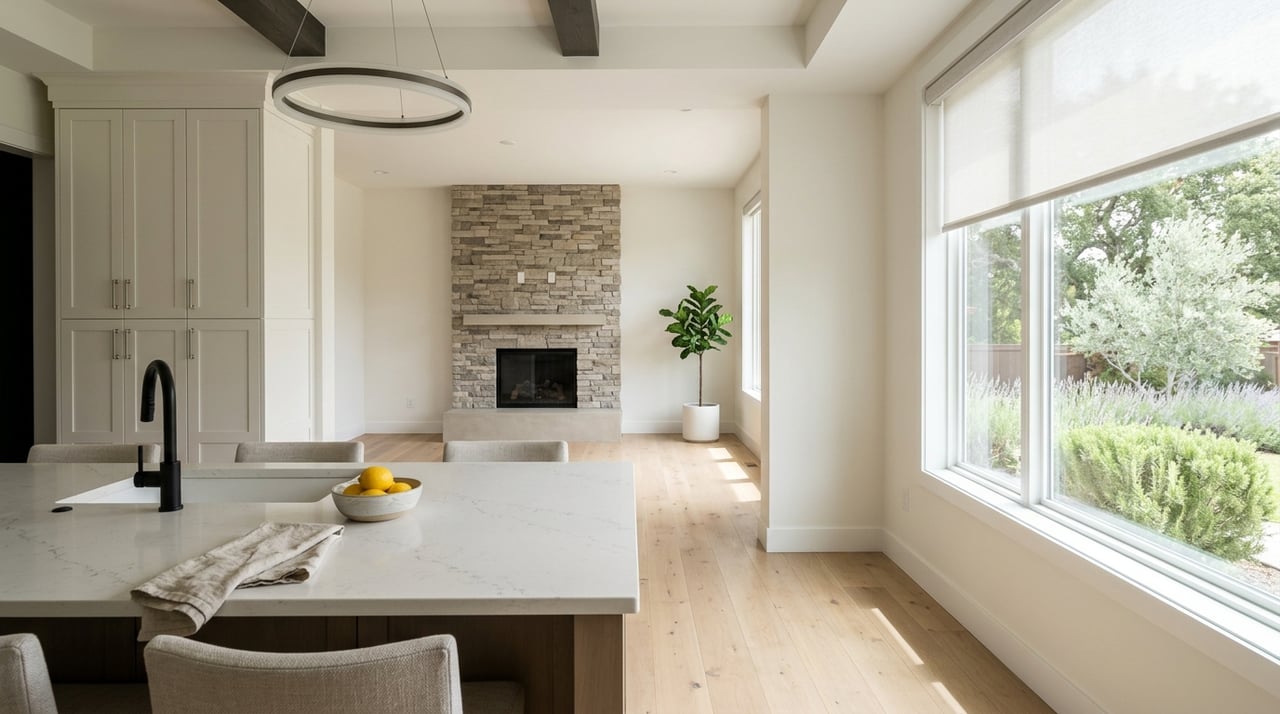
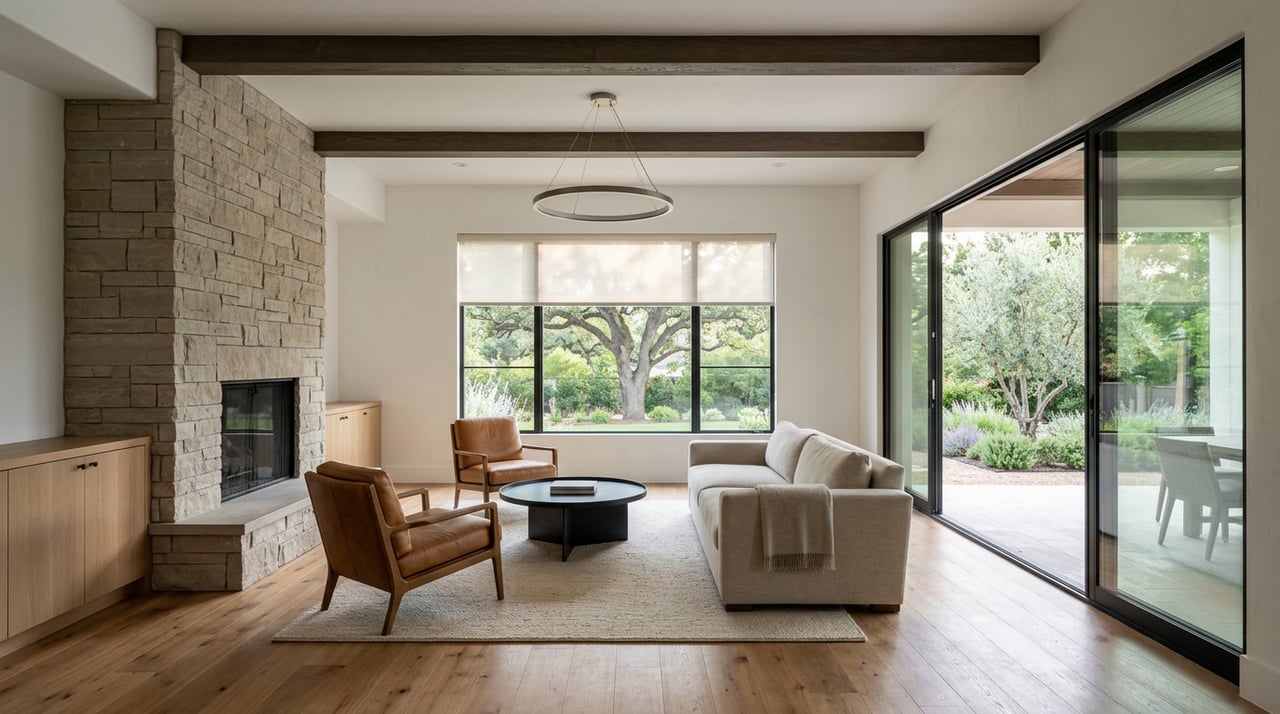
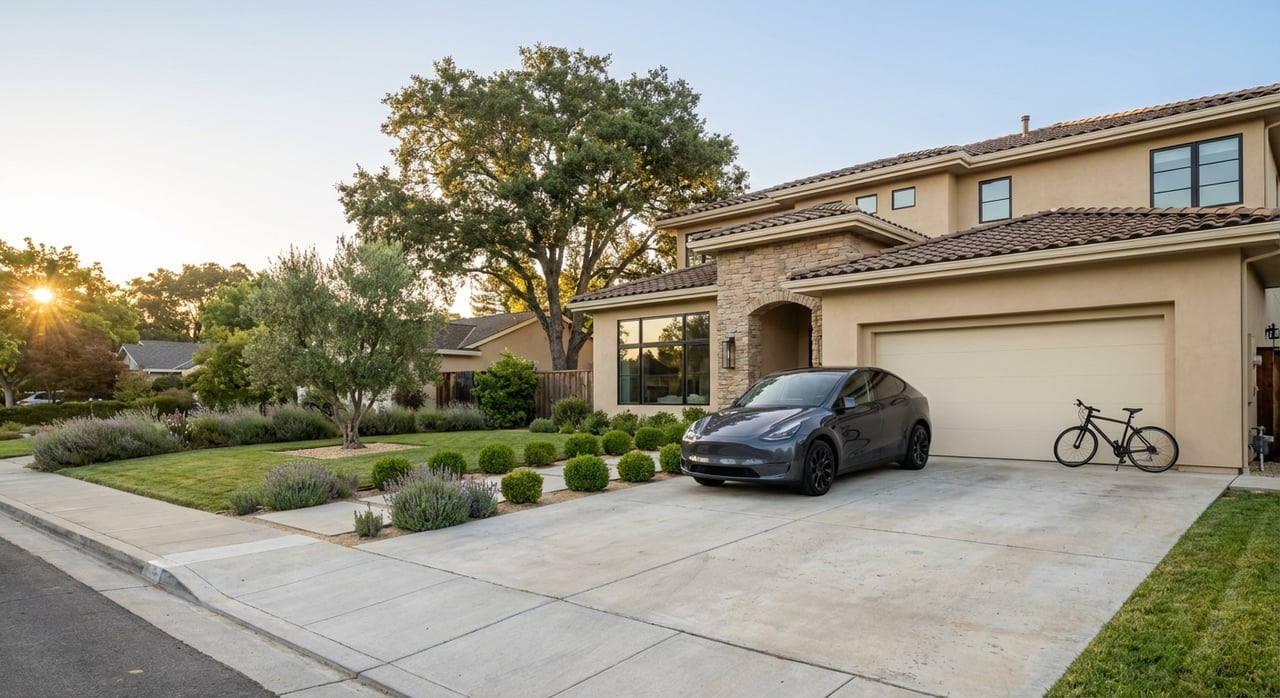
Since the 1980s, Morgan Hill has added many neighborhoods with modern floor plans and community amenities. You’ll often find two-story homes with open layouts, larger kitchens, and attached 2 to 3 car garages. Recent gated or master-planned projects may include parks, trails, clubhouses, and pools. One notable example is Borello Ranch Estates, a gated enclave off Cochrane.
What you’ll find
- Home types: Primarily single-family homes, plus some newer townhome products.
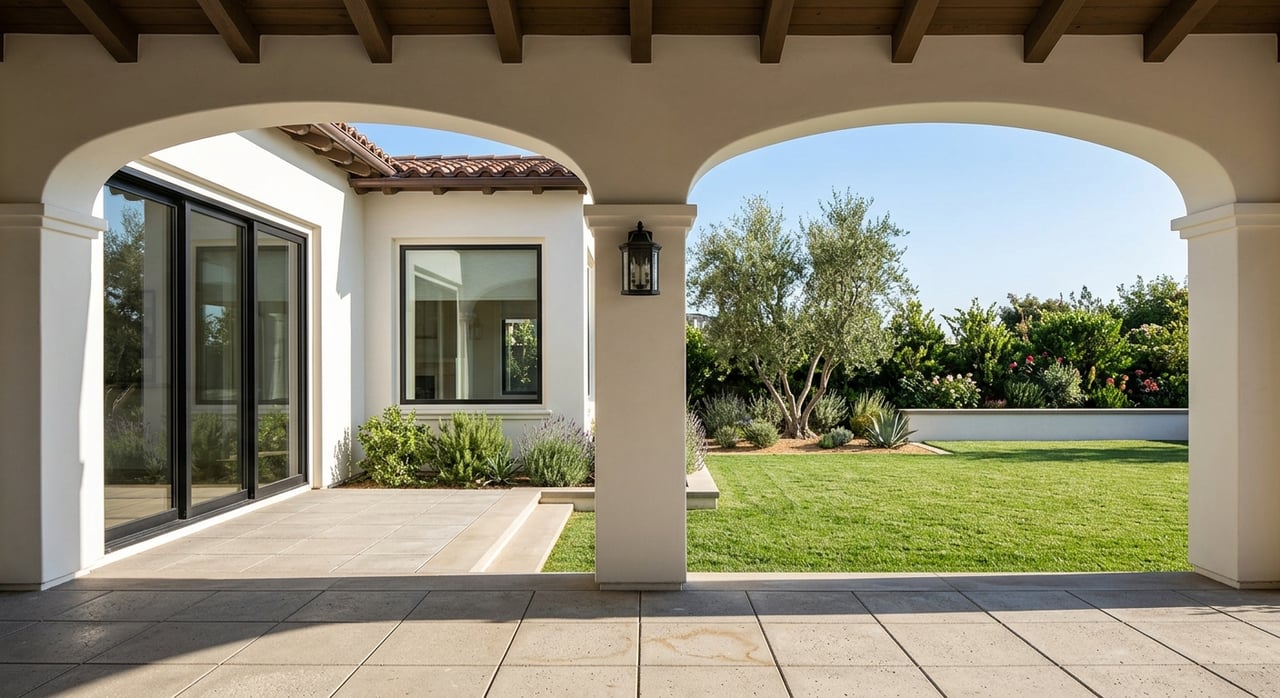
- Style and era: 1980s to 2010s and newer, often neo-Mediterranean or California contemporary.
- Lot features: Medium yards, sidewalks, and HOA-managed common areas in many enclaves.
Buyer benefits and trade-offs
- Benefits: Larger interior space, modern amenities, and neighborhood parks or pools.
- Trade-offs: HOA fees and rules, longer drives to downtown in some areas, and less one-of-a-kind architecture.
Smart checks
- Review HOA CC&Rs, budgets, and reserve studies.
- Confirm builder warranties on newer homes.
- Ask about nearby capital improvement projects and road work that could affect access or timelines.
Helpful resource: Example of a newer gated community, Borello Ranch Estates
Hillside and view properties
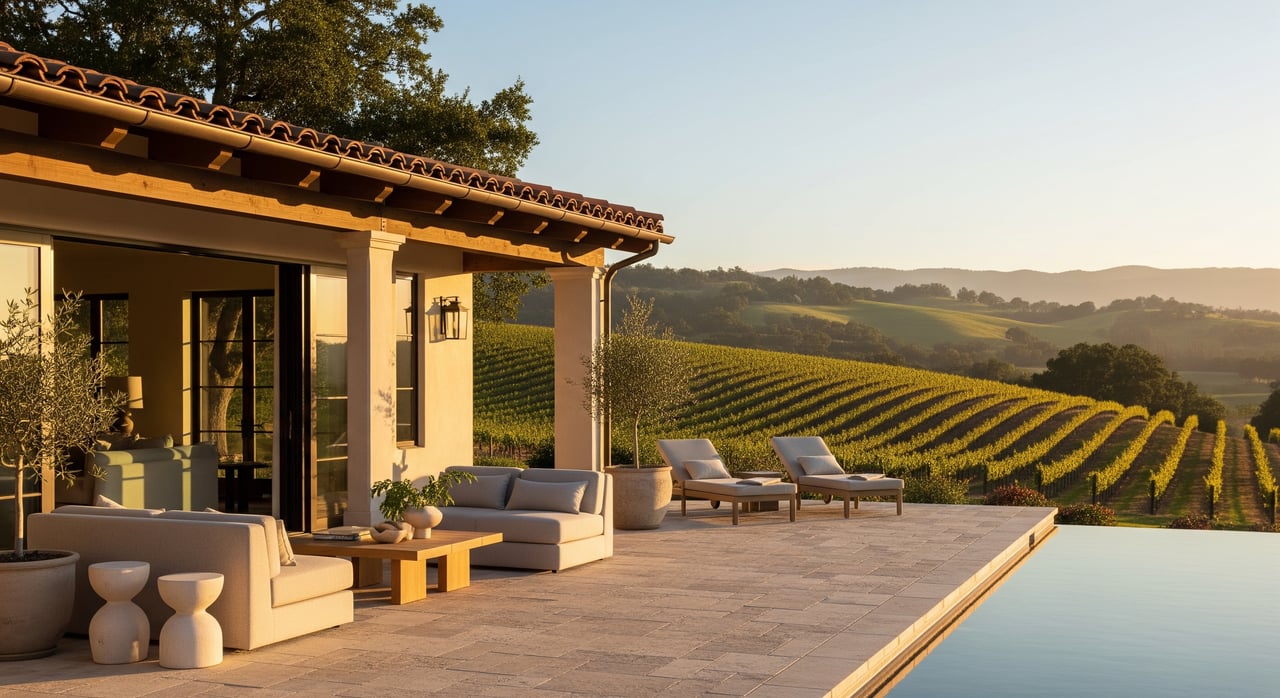
Hillside homes sit on the valley’s eastern and surrounding slopes, including view neighborhoods such as Holiday Lake Estates and areas near Anderson Reservoir. Many are custom estates designed to capture sweeping views and privacy. Terrain can mean irregular lots, longer private drives, and added maintenance. The City’s Hillside Combining District outlines design, grading, and geotechnical requirements for homes on steeper slopes.
What you’ll find
- Home types: Custom and semi-custom estates with expansive windows and outdoor living spaces.
- Style and era: Contemporary and Mediterranean-influenced designs, sited for views.
- Lot features: Larger or irregular lots, more separation between homes, and natural open space.
Buyer benefits and trade-offs
- Benefits: Panoramic views, privacy, and a quiet setting.
- Trade-offs: Higher site and maintenance costs, longer permitting for major work, and added wildfire or slope stability considerations.
Smart checks
- Request geotechnical reports, slope and stability history, and records of any slide repairs.
- Confirm wildfire hazard designations and required defensible space; newer work may trigger ignition-resistant construction standards.
- Be aware of local reservoir and infrastructure projects in some hillside areas. For context on Anderson Reservoir work, see reporting in the Morgan Hill Times.
Helpful resources:
Semi-rural ranchettes and agricultural edge
Along the city’s western and southern edges, and into nearby unincorporated areas like Uvas Valley and San Martin, you’ll find small farms, vineyards, equestrian properties, and ranchettes. These parcels often range from 1 to 5 acres or more. Homes can be ranch-style, modular in older pockets, or newer custom builds with barns and arenas. The region’s rural character is part of what many buyers love about South County. For a flavor of the area’s rural amenities and wineries, see Visit Morgan Hill’s neighborhood overview.
What you’ll find
- Home types: Single-story ranch houses, agricultural support buildings, and custom homes on acreage.
- Style and era: Function-first designs that support equestrian or vineyard use.
- Lot features: Fences, barns, arenas, and working landscapes.
Buyer benefits and trade-offs
- Benefits: Space, privacy, and room for animals or crops.
- Trade-offs: More hands-on maintenance, variable utilities, and longer response times in some areas.
Smart checks
- Verify the water source and quality. Some parcels rely on private wells, so request well logs and potability tests. The state’s well guidance is a helpful primer: California Department of Water Resources wells.
- Confirm septic system permits and capacity.
- Ask about agricultural easements or Williamson Act status.
- Understand where city sewer is not available. Many areas within the city connect to wastewater service managed through the South County Regional Wastewater Authority; learn more on the city’s Wastewater Division page.
How to choose your best fit
Start with your day-to-day routine, then map it to each setting.
- Downtown core: You want to walk to coffee, restaurants, and the station. You prefer a smaller yard and can handle some older-home updates.
- Subdivisions: You want space, a modern layout, and a neighborhood park. You are comfortable with an HOA and a short drive to downtown.
- Hillside homes: You want views and privacy. You are ready for added maintenance and permitting steps.
- Ranchettes: You want acreage for animals or vines. You accept well and septic responsibilities and more hands-on property care.
If you are torn between two, tour at different times of day. Check commute routes, wind conditions on hillsides, and nighttime lighting or noise downtown. Bring a short list of must-haves and a few nice-to-haves, then compare how each setting performs.
Due diligence checklists by setting
Use these quick prompts during showings and disclosures. Link to the cited city or state resources as needed.
Downtown and walkable
- Look for evidence of foundation, plumbing, and electrical upgrades in older homes.
- Review parking rules, setbacks, and whether adding an ADU is feasible on your lot.
- Confirm sidewalk and bike plans in the Station Area Master Plan.
Subdivisions and planned communities
- Read HOA CC&Rs, budgets, and reserve studies line by line.
- Confirm builder warranties and transfer procedures for newer homes.
- Ask your agent about upcoming community projects that may affect roads or utilities.
Hillside and view properties
- Request geotechnical evaluations, slope stability records, and any prior slide repair documentation.
- Verify wildfire hazard designations and defensible space obligations per local and state standards. See the city’s Hillside Combining District for permitting guidance.
- Research nearby infrastructure projects or access constraints. The Morgan Hill Times provides helpful local reporting.
Semi-rural ranchettes and ag parcels
- Confirm water source, well production, and water quality with current tests. See state guidance on water wells.
- Verify septic system permits and capacity for your intended use.
- Ask about agricultural easements, encroachments, and fencing requirements.
City utilities and sewer
- Many properties in the city connect to sewer that is treated through a joint regional plant. For connection, capacity, and program details, review the city’s Wastewater Division.
Your next step
Every Morgan Hill setting offers a clear lifestyle and set of practical considerations. When you match your day-to-day needs with the right neighborhood type, you get more enjoyment from your home and fewer surprises during ownership. If you want a local, low-pressure walkthrough of options and a plan to compete in today’s market, we are here to help.
Ready to explore homes that fit your life? Reach out to the Todd Brown Team for tailored guidance, on-the-ground insight, and a smart path from first tour to keys.
FAQs
What is the typical home age and style in Morgan Hill?
- Most homes were built from 1960 to 1999, with many 1980s to 1990s suburban designs and a mix of historic cottages downtown and newer builds in recent communities, per the City’s Housing Element.
How do downtown homes compare to subdivisions on maintenance?
- Downtown homes can have older systems and smaller lots, so prioritize inspections for foundation, plumbing, and electrical; subdivisions often have newer systems and HOAs that maintain shared areas.
What should I check before buying a hillside home in Morgan Hill?
- Request geotechnical and slope stability reports, confirm wildfire hazard designations and defensible space, and review the City’s Hillside Combining District for permitting requirements.
What utilities should I expect on a ranchette or ag property?
- Many ranchettes use private wells and septic systems, so verify well logs, water quality, and septic permits; some city-edge parcels may not have full city water or sewer service.
Are Morgan Hill neighborhood names official?
- Many commonly used names are informal and can overlap, so rely on parcel records, zoning maps, and city or county documents for legal descriptions and service jurisdictions.