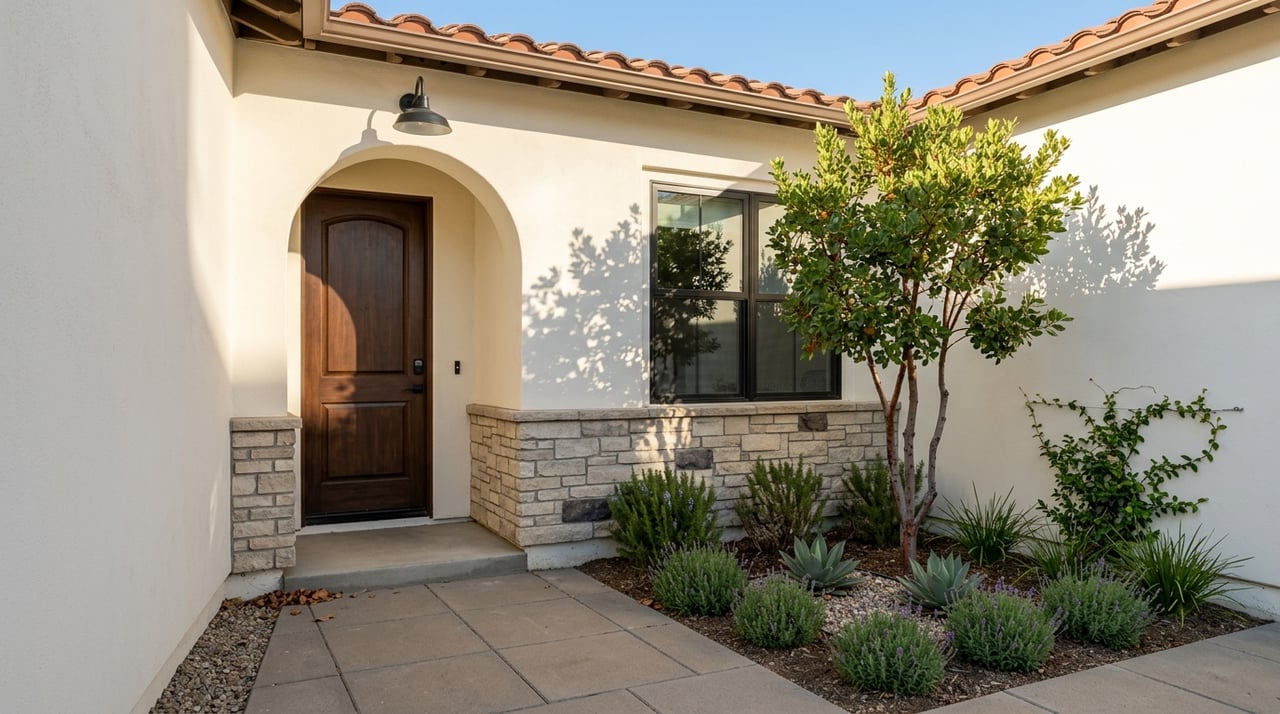
What to Know About Rental Property in Morgan Hill
April 23, 2026
April 23, 2026
If you have been thinking about buying a rental property in Morgan Hill, you have probably already noticed one big reality: this is not a low-cost entry market. Morgan Hill combines million-dollar home prices with strong rents, which can create opportunity, but only if you run the numbers carefully and plan for the details. In this guide, you will learn what to watch, which property types to compare, and how to approach financing, taxes, and compliance with more confidence. Let’s dive in.
Morgan Hill is a high-priced market with an owner-occupied housing rate of 71.5%, according to U.S. Census QuickFacts. The same source reports a median owner-occupied home value of $1,210,200, median household income of $163,920, and median gross rent of $2,474.
That broad picture is reinforced by the same Census source and the market context summarized in the research report, which notes average home values around $1,356,869, average rent near $3,030 per month, and a February 2026 median sale price of $1,278,333. The exact figures vary by source and methodology, but the takeaway is clear: you are buying in a market with high acquisition costs and elevated rent levels.
For investors, that means cash flow often depends on disciplined underwriting. You may not be able to rely on aggressive rent growth or ultra-low vacancy assumptions to make a deal work. A more conservative approach usually makes more sense here.
Morgan Hill’s housing data points to a relatively tight market, but not one where you should ignore expenses. The city’s housing needs assessment reports about 2.5% overall vacancy and 4.3% rental vacancy, based on ACS data, while also showing that much of the housing stock is older and detached. That combination can support demand, but it can also mean repairs, turnover costs, and property-specific maintenance are real factors to budget for.
The same city report shows the largest share of homes was built from 1980 to 1999, and only 11.6% of the stock was built since 2010. In other words, many properties may need ongoing updates, systems maintenance, or closer permit review before you buy. Repair reserves should be part of your plan from day one.
Morgan Hill offers several rental-property paths, and each comes with a different risk and management profile.
Detached single-family homes make up 59.0% of Morgan Hill’s housing stock, according to the city’s housing needs assessment. For many first-time investors, this is the easiest type to understand because the layout, tenant demand, and resale path can feel more familiar.
That said, a single vacancy means 100% of your rental income stops on that property. You will want to pay close attention to estimated rent, maintenance history, and the likely cost of future capital improvements.
Attached homes can offer a lower-maintenance setup than a detached house, at least on the exterior side. This can appeal to buyers who want fewer day-to-day upkeep responsibilities.
Still, you should review HOA dues, leasing restrictions, insurance requirements, and reserve health before moving forward. These costs and rules can directly affect your financing options and long-term returns.
Morgan Hill has a smaller share of 2-to-4-unit properties, with 5.5% of housing stock in that category, based on the same city housing report. These properties can be attractive because they spread vacancy risk across multiple units.
If one unit is empty, the property may still produce income from the others. That can make your cash flow more stable, though maintenance and management can be more involved than with a single-family rental.
Accessory dwelling units can be especially worth a closer look in Morgan Hill. The city says ADUs and JADUs are allowed in almost all cases, and a single-family property may be able to support a JADU, an internal conversion or attached ADU, and a detached ADU, subject to site-specific review.
For multifamily properties, the city says detached ADUs or a percentage-based unit allowance may also be possible depending on the property. If a parcel falls in a historic, hillside, high-fire severity, flood, or other special zone, the city advises contacting planning before moving forward. That extra step can save you time and money before you commit to a purchase.
Investment-property financing is usually more demanding than owner-occupied financing, and that matters in a market where prices are already high. According to Fannie Mae reserve requirements, investment property transactions require six months of reserves, and that requirement can increase if you own multiple financed properties.
Freddie Mac guidance in the research report also notes that credit fees apply to investment-property mortgages, manual underwriting is not allowed, and additional reserve and rental-income qualifying standards can apply. In practice, that means your lender review needs to happen early, not after you have already found a property.
Before you make an offer, ask:
These questions can help you compare your true buying power with your actual comfort level.
Santa Clara County property taxes are another key part of the equation. According to the county’s assessment information booklet, the base property tax rate is capped at 1% of assessed value, plus voter-approved bonds and special assessments.
The county assessor also notes that new owners may receive a supplemental tax bill in addition to the regular annual tax bill. That bill is generally not prorated through escrow or paid through lender impounds, so you should plan for a separate cash need after closing. For a high-price purchase, that can be a meaningful first-year expense.
It is smart to speak with a qualified tax professional before or during escrow. Useful questions include:
The IRS guidance on rental income and expenses notes that residential rental activity is generally reported on Schedule E, and depreciation is claimed on Form 4562. Good recordkeeping matters from the start.
Owning a rental property in Morgan Hill also means staying current on legal requirements. California Courts explains that the Tenant Protection Act generally limits rent increases to 5% plus CPI or 10%, whichever is less, over 12 months, and requires just cause after 12 months of tenancy.
That same state resource explains that exemptions may apply in some cases, including certain newer housing and some single-family homes or condos when the owner gives proper notice and meets the required conditions. This is one area where details matter, so you do not want to make assumptions based only on property type.
At the city level, Morgan Hill says on its business license page that residential landlords renting four or more units need a city business license. The city also points property owners to Project Sentinel, Bay Area Legal Aid, the Law Foundation of Silicon Valley, and county resources for tenant-landlord and fair-housing information.
A rental purchase should not be judged by price and rent alone. You also want to know whether past additions, garage conversions, remodels, or ADUs were properly approved.
Morgan Hill’s permit information page makes clear that permit history and unpermitted work matter. If a property includes extra living space or a converted area that affects rental income, verify what was legally permitted before you close.
If you plan to hire professional management, ask targeted questions before buying:
This kind of feedback can help you test whether your assumptions are realistic.
When you are evaluating a potential rental in Morgan Hill, it helps to keep your process straightforward.
Purchase price vs. rent potential
Make sure the projected income supports the cost basis.
Financing and reserve requirements
Confirm your loan terms, cash needed, and post-close reserve position.
Condition and permit history
Review age, repairs, additions, and legal use of all living areas.
Taxes and ongoing expenses
Include supplemental taxes, insurance, HOA dues, maintenance, and vacancy.
State and local compliance
Understand rent rules, notice requirements, and city licensing where applicable.
If a property still looks solid after those five checks, you are likely evaluating it from the right angle.
Morgan Hill can be a compelling place to buy a rental property, but it is usually not a market for loose assumptions. High home prices, meaningful reserve requirements, supplemental taxes, and compliance rules all raise the importance of careful planning.
The good news is that with the right property, realistic numbers, and strong local guidance, you can make more informed decisions and avoid common early mistakes. If you are weighing options in Morgan Hill or anywhere in South Santa Clara County, the Todd Brown Team can help you evaluate local inventory, compare property types, and move forward with a clearer strategy.
Stay up to date on the latest real estate trends.


Get assistance in determining current property value, crafting a competitive offer, writing and negotiating a contract, and much more. Contact Todd Brown Team today.